

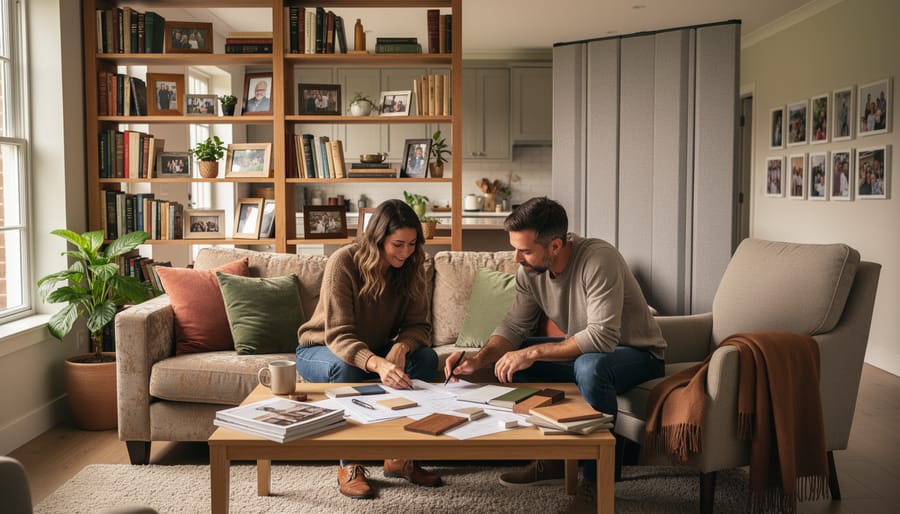
Transform competing priorities into collaborative design by establishing dedicated private zones for each sibling from day one. Install soundproofing between bedrooms, create separate bathroom schedules, and designate individual storage areas to minimize friction—especially important when navigating situations like a sister living rent free in inherited house. Use room dividers, locking doors, and personal climate controls to give everyone autonomy within shared walls.
Reimagine communal spaces as neutral territory that reflects everyone’s input equally. Survey all siblings about kitchen layout preferences, living room functionality, and shared office needs before making irreversible changes. Create a design board where each person contributes three non-negotiable elements and three flexible preferences, then hire a mediator or designer to blend these requirements into cohesive plans that honor the home’s history while serving current needs.
Implement a transparent decision-making system using a shared digital platform where design choices, expenses, and timelines are documented. Assign budget categories to each sibling based on which spaces they’ll use most frequently, establishing both individual responsibility and collective investment. Schedule monthly design meetings with clear agendas to prevent resentment from festering.
Balance sentimental preservation with practical updates by photographing original features before renovations, repurposing inherited furniture into new configurations, and creating memory walls that celebrate family history without dictating every design choice. This approach honors your parents’ legacy while building a functional home that works for multiple adult households sharing one roof.
Creating Separate Sanctuaries: Privacy Solutions That Work
Smart Room Division Without Major Renovations
Creating separate living areas in a shared inherited home doesn’t require knocking down walls or major construction. With smart planning and strategic furniture placement, you can establish privacy and personal boundaries while keeping renovation costs minimal.
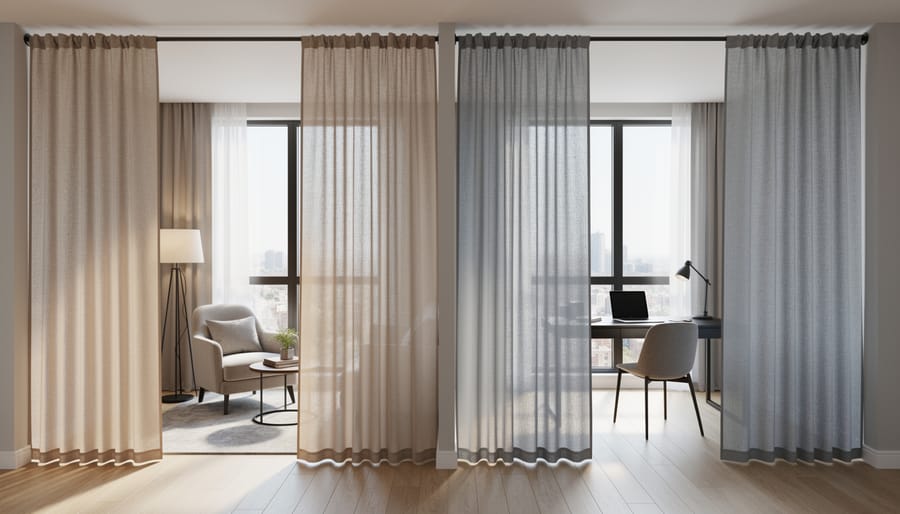
Sliding curtain systems offer one of the most flexible and affordable solutions for dividing space. Floor-to-ceiling curtains mounted on ceiling tracks can section off sleeping areas, create temporary privacy screens, or separate work zones from common areas. Choose heavier fabrics for better sound absorption and light blocking, or opt for sheer materials when you want to maintain an open feel while still defining boundaries. This approach works especially well in large bedrooms that siblings might share or in converted living spaces.
Open shelving units serve double duty as both storage and room dividers. A tall bookshelf positioned perpendicular to a wall creates distinct zones without completely closing off the space. This maintains airflow and natural light while providing each person with a sense of separation. Fill these shelves with books, plants, and decorative storage boxes that face both sides for maximum functionality.
Furniture arrangement can work wonders for establishing territories. Position sofas, desks, or console tables to naturally divide areas. An L-shaped furniture layout creates cozy corners perfect for individual retreats within shared spaces. Area rugs further define these zones, visually signaling where one person’s space ends and another begins.
Folding screens and portable partitions offer flexibility when privacy needs change throughout the day. These moveable solutions allow you to reconfigure spaces as needed without permanent commitment, making them ideal for siblings still figuring out their long-term arrangement.
Transforming Underused Spaces Into Private Retreats
When multiple siblings inherit a home together, those forgotten corners and underused spaces become golden opportunities for creating much-needed privacy. Basements, attics, and garages aren’t just storage dumping grounds anymore—they’re blank canvases waiting to become cozy retreats where everyone can truly relax and recharge.
Start by assessing which spaces have the most potential. That dusty attic might transform into a peaceful reading nook or home office with proper insulation and a few strategic skylights. Basements often make excellent entertainment zones or guest suites, especially if you tackle moisture issues first. Many families find success in converting garages into living areas, particularly in temperate climates where alternative parking solutions work well.
The beauty of these transformations lies in their flexibility. One sibling might need a private workspace for remote work, while another craves a quiet meditation corner. Designer Maria Chen, who specializes in multigenerational homes, suggests focusing on soundproofing and separate entrances when possible. “Even adding a simple barn door or installing better insulation can dramatically improve the feeling of personal space,” she notes.
Budget-conscious families can start small with portable room dividers, area rugs to define zones, and strategic furniture placement before committing to major renovations. Community members who’ve tackled similar projects recommend prioritizing proper lighting and ventilation first—these foundational elements make any space feel more livable and less like an afterthought.
Remember, these conversions don’t need to happen overnight. Phasing improvements allows siblings to share costs gradually while ensuring everyone’s needs get addressed thoughtfully.
Honoring the Past While Moving Forward: Balancing Nostalgia and Fresh Starts
The Display Rotation Strategy
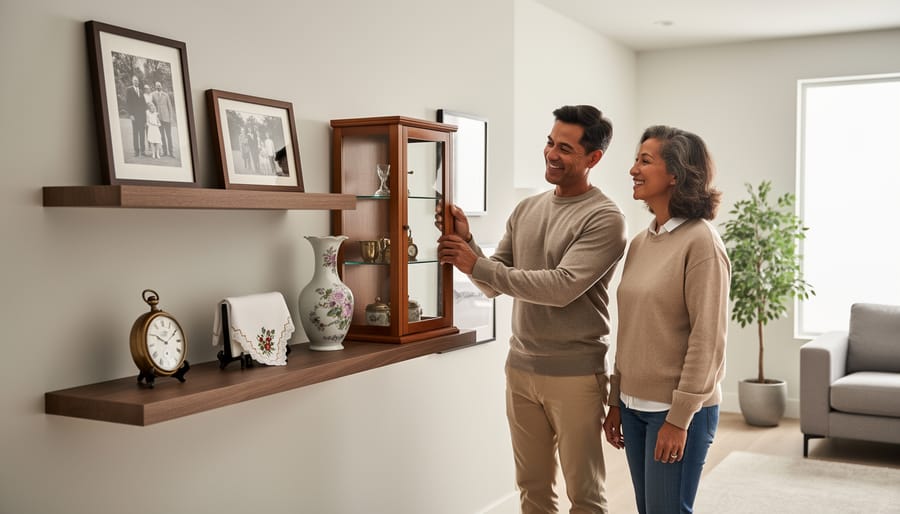
Creating a fair rotation system for displaying cherished family items helps everyone feel represented while preventing visual overwhelm. Think of your inherited home as a living gallery where memories take turns in the spotlight.
Start by designating specific display zones throughout your home—mantels, shelves, or gallery walls—where items will rotate quarterly or seasonally. Each sibling selects a few meaningful pieces for their turn, ensuring equal representation without permanent claims on prime real estate. This approach keeps the home feeling fresh and gives everyone something to look forward to.
Consider creating a shared digital inventory with photos and stories behind each item. This not only helps coordinate the rotation schedule but also preserves family history for future generations. Design experts recommend limiting displays to three to five key pieces per zone to maintain visual clarity and prevent clutter.
For particularly special items multiple siblings cherish, establish neutral common areas where these pieces remain permanently displayed. Frame family photos in matching frames or create shadow boxes that incorporate mementos from different family branches, showing unity while honoring individual memories.
If tensions arise, appoint a rotating “curator” who changes quarterly, giving each sibling authority over styling decisions during their term. This community-driven approach, backed by family therapists specializing in inheritance situations, transforms potential conflicts into collaborative storytelling opportunities that celebrate your shared history while respecting individual connections to specific items.
Updating Without Erasing
Inherited furniture and fixtures carry irreplaceable sentimental value, but that doesn’t mean they need to look dated. The key is thoughtful updating that honors the piece’s history while making it work for modern living.
Start with a fresh perspective on grandmother’s china cabinet or dad’s old bookshelf. A simple coat of paint in a contemporary color can transform tired wood pieces without erasing their character. Designers often recommend keeping original hardware when possible, as these details tell the family story. If hinges or pulls are damaged, search vintage shops for period-appropriate replacements rather than modern alternatives.
Reupholstery works wonders for inherited seating. Choose fabrics that blend your siblings’ tastes while updating the look. According to interior design experts, mixing heritage pieces with modern elements creates visual interest and prevents rooms from feeling like museum displays. That vintage armchair becomes a statement piece when paired with a sleek side table.
Consider creative repurposing too. An old dresser might become a bathroom vanity, while wooden ladders can transform into towel racks or plant displays. These adaptations give new life to beloved items while solving practical storage challenges.
When siblings disagree on updates, try the “test first” approach. Remove one piece temporarily and photograph the space both ways. This community-driven method helps everyone visualize changes before committing, reducing conflict and buyer’s remorse. Remember, updates should enhance, never erase, the memories these pieces represent.
Shared Spaces Done Right: Common Areas That Keep the Peace
The Kitchen Conundrum: Storage and Territory
The kitchen often becomes ground zero for sibling tension in shared homes, but with thoughtful planning, it can actually bring families together rather than drive them apart. The secret lies in creating clear zones that give each person a sense of ownership while maintaining shared access to common resources.
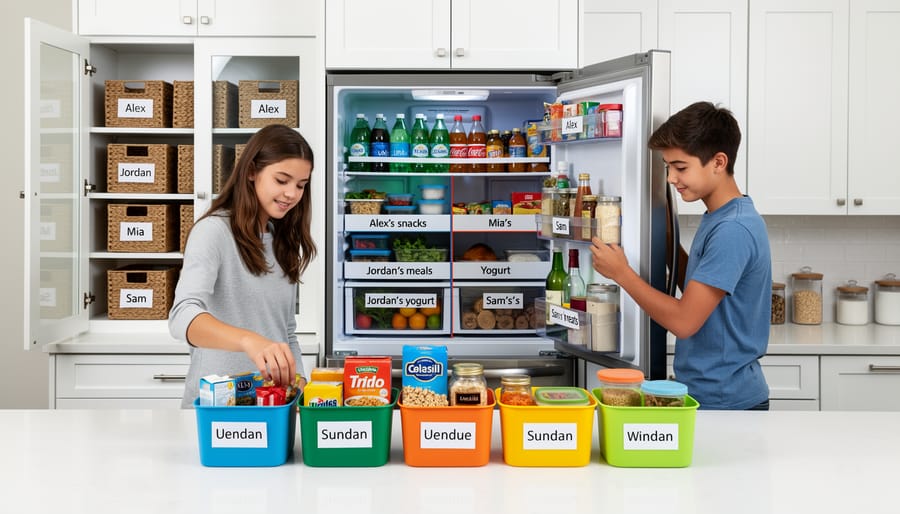
Start by dividing cabinet and refrigerator space equitably. Color-coded shelf systems or labeled sections help eliminate the “who moved my stuff” frustration. Many families find success using removable drawer dividers and stackable bins to create personal zones within shared spaces. Consider installing additional pantry shelving or pull-out organizers to maximize vertical storage and ensure everyone has adequate room for their groceries and kitchen essentials.
For households where cooking schedules or dietary needs differ significantly, dual appliances can be a game-changer. A second microwave, toaster oven, or even a compact refrigerator in a secondary prep area reduces morning bottlenecks and late-night conflicts. These kitchen storage solutions don’t require major renovations and can often fit into existing layouts.
Layout modifications matter too. If possible, create two distinct work triangles so siblings can cook simultaneously without constant collision. A kitchen island with storage accessible from multiple sides provides natural division while maintaining flow. Expert designers recommend establishing a shared cleaning schedule posted visibly and designating one communal supply cabinet to avoid duplicate purchases. These practical adjustments transform territorial tensions into functional harmony.
Living Room Flexibility
The living room often becomes the heart of a shared inherited home, where different schedules and lifestyle preferences intersect. Creating flexibility here is essential for maintaining harmony when one sibling works night shifts while another hosts early morning yoga sessions, or when one needs quiet reading time while another enjoys entertaining friends.
Modular furniture is your best friend in this situation. Sectional sofas that can be rearranged, nesting tables that expand for gatherings, and ottomans with hidden storage provide adaptability without constant furniture shopping. Many design experts recommend investing in quality pieces that can be reconfigured rather than replaced as needs change.
Technology solutions can work wonders for scheduling conflicts. Smart lighting systems allow each person to preset their preferred ambiance, while wireless headphones enable someone to watch television without disturbing others. Consider creating designated zones within the living room using area rugs, adjustable room dividers, or strategic furniture placement. This way, one person can work on their laptop in a corner while another relaxes with a book.
Community feedback from families in similar situations emphasizes the importance of establishing a simple booking system for the space during peak entertainment times. A shared digital calendar prevents double-booking and reduces tension. Some siblings successfully use folding screens or curtain dividers to temporarily create semi-private spaces when hosting separate guests, maintaining both privacy and flexibility within the same room.
Bathroom Upgrades That Prevent Morning Battles
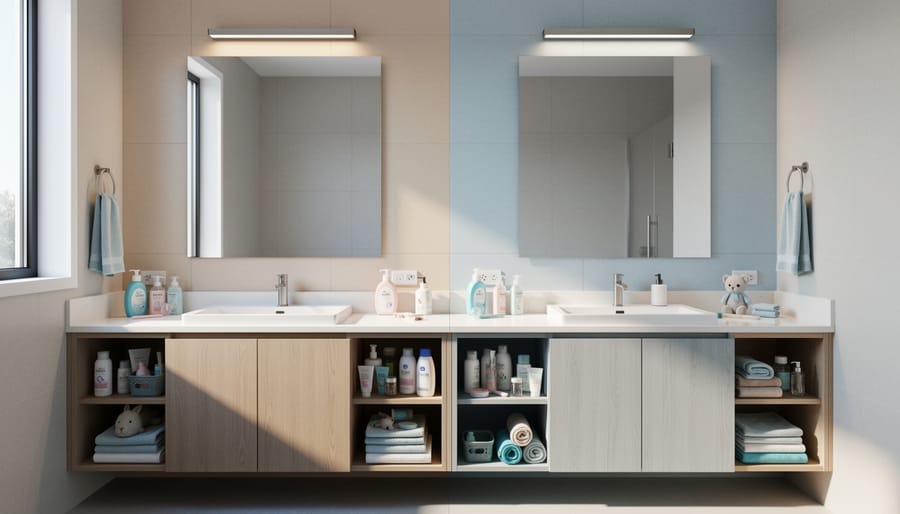
Morning bathroom conflicts might be the fastest way to strain sibling relationships in a shared home. The solution starts with double vanities wherever space permits. Installing two sinks eliminates the scramble for mirror time and creates personal zones within the shared space. If your bathroom can’t accommodate dual sinks, consider staggered morning schedules paired with individual storage solutions that keep routines efficient.
Smart bathroom design upgrades include separate medicine cabinets, drawer dividers, and designated towel hooks for each person. These simple additions prevent territorial disputes over counter space and storage. Interior designers recommend color-coded storage baskets or labeled shelving to maintain organization and respect boundaries.
For families with multiple siblings, installing a shower timer or creating a visual schedule board outside the bathroom can work wonders. Some homeowners find success with smart mirrors that include individual lighting preferences and temperature-controlled shower systems with user presets. These thoughtful touches acknowledge everyone’s needs while maintaining harmony. Remember, investing in bathroom functionality pays dividends in reduced daily stress and improved family dynamics.
Setting Design Ground Rules: The Pre-Renovation Agreement
Before paint colors and furniture layouts come into play, successful shared home design starts with clear agreements. Think of this as creating your family’s design constitution—a framework that protects relationships while moving renovation plans forward.
Start with a family meeting dedicated solely to establishing your ground rules. Come prepared with specific conversation starters like: “What spaces are most important to each of us?” and “How much can we each realistically contribute monthly?” These questions help surface priorities before conflicts arise. According to family mediators, setting expectations early prevents 70% of common sibling disputes.
Create a three-tier decision-making system that everyone understands. Major structural changes require unanimous agreement, cosmetic updates in shared spaces need majority approval, and personal bedroom modifications can be individual choices. Document this in writing—even a simple shared Google Doc works wonders for accountability.
Budget agreements need transparency from day one. Set up a dedicated renovation account where each sibling contributes their agreed-upon share monthly. Establish spending thresholds: perhaps purchases under $200 need two approvals, while anything over $1,000 requires everyone’s sign-off. Community members who’ve navigated this successfully recommend using apps like Splitwise to track contributions and expenses automatically.
Design approval processes should balance efficiency with fairness. Consider appointing a rotating “project lead” for different spaces—one sibling handles kitchen updates, another manages the living room refresh. This distributes responsibility while giving everyone ownership. For contested decisions, establish a cooling-off period: table the discussion for one week, research alternatives, then revisit with fresh perspectives.
Keep a shared Pinterest board or design folder where everyone can contribute ideas throughout the process. This visual collaboration tool helps siblings understand each other’s aesthetic preferences and find common ground before making purchases.
Finally, include a dispute resolution clause in your agreement. Designate a trusted family friend or professional mediator to consult if disagreements stall progress. Having this safety net reduces pressure and provides peace of mind that no single disagreement will derail your shared vision.
Budget-Smart Improvements That Add Value for Everyone
High-Impact, Low-Cost Updates
When you’re working with a limited budget but want to create noticeable change in a shared inherited home, these three updates deliver maximum impact without breaking the bank.
A fresh coat of paint is truly transformative. Consider a neutral palette for shared spaces that all siblings can agree on—soft grays, warm whites, or gentle beiges create a clean slate that feels modern and welcoming. If everyone’s nervous about commitment, start with an accent wall in a common area. Paint is forgiving and affordable, making it perfect for experimenting. Many design experts recommend testing sample colors in different lighting conditions before deciding, especially important when multiple family members need to approve.
Strategic lighting updates can completely change how a space feels. Replace dated fixtures with modern alternatives from budget-friendly retailers. Layer your lighting by adding floor lamps in dark corners and under-cabinet LED strips in kitchens. Dimmer switches are inexpensive additions that let everyone adjust ambiance to their preference, reducing potential disagreements over brightness levels.
Hardware updates might seem minor, but swapping outdated cabinet pulls, doorknobs, and light switch plates creates a surprisingly cohesive, updated look. Choose finishes that complement existing features rather than fighting against them. This project is also perfect for dividing tasks among siblings—one person can handle kitchens while another tackles bathrooms, making progress feel collaborative rather than overwhelming.
Investment-Worthy Renovations
When investing in a shared inherited home, focus on renovations that serve everyone now while protecting your property’s future value. According to real estate experts, kitchen and bathroom updates consistently deliver the strongest return on investment, making them ideal priorities for co-owned properties.
Kitchen renovations deserve top consideration since this space impacts daily living for all residents. You don’t need a complete overhaul—strategic updates like replacing outdated appliances with energy-efficient models, refinishing cabinets, and updating countertops can transform the space. Modern, neutral finishes appeal to current users and future buyers alike. Consider adding storage solutions that help multiple households coexist peacefully while maintaining clean, marketable aesthetics.
Bathroom improvements similarly benefit everyone. Updating fixtures, improving lighting, and addressing any moisture or plumbing issues prevents costly problems down the road. If you’re adding a bathroom to increase privacy between siblings, position it strategically to maximize home value.
Structural improvements protect your shared investment. Address foundation issues, roof repairs, and outdated electrical or plumbing systems promptly. While less exciting than cosmetic changes, these updates prevent value depreciation and demonstrate responsible co-ownership.
Smart home technology offers modern appeal without major construction. Programmable thermostats, updated security systems, and improved insulation reduce ongoing costs while increasing market appeal.
Community feedback consistently highlights that neutral, quality upgrades create the most flexibility. You’re building equity together while creating a functional space that works for today’s needs and tomorrow’s possibilities.
When Styles Clash: Finding Common Ground in Design Preferences
Navigating different design tastes with siblings can feel like decorating a space where bohemian meets minimalist meets traditional all at once. But here’s the good news: conflicting preferences don’t have to derail your shared home vision. With the right approach, you can create a cohesive space that honors everyone’s style.
The foundation of any successful compromise starts with understanding what each person values most. Host a design conversation where everyone shares their top three must-haves and absolute deal-breakers. One sibling might prioritize cozy textures while another craves clean lines. Identifying these core preferences helps you spot surprising overlaps and clarify where flexibility exists.
The most effective strategy involves building your rooms around neutral color schemes for walls, larger furniture pieces, and foundational elements. Think warm whites, soft grays, or versatile beiges that create a calming backdrop everyone can agree on. This approach gives you a cohesive canvas that won’t clash when different personalities add their touches.
Once your neutral base is established, incorporate personalized accents through easily changeable elements like throw pillows, artwork, rugs, and decorative accessories. These smaller pieces let each sibling express their style without overwhelming the space. A modern enthusiast can add geometric cushions while a vintage lover contributes antique frames, all living harmoniously on that neutral foundation.
Consider the 60-30-10 rule as your mediator: 60 percent neutral base, 30 percent a secondary color or style you agree on, and 10 percent split between individual accent pieces. This creates visual balance while preventing any single aesthetic from dominating.
Another expert-backed technique involves assigning different rooms slightly different personalities within an agreed-upon palette. The living room might lean more traditional to satisfy one sibling, while the kitchen embraces cleaner contemporary lines for another, but shared color tones tie everything together seamlessly.
Remember, community forums and design groups often share that compromise doesn’t mean sacrificing style. It means creating something richer than any single vision could achieve alone.
Real Stories: How Three Sibling Pairs Made It Work
Real siblings, real solutions. Here are three inspiring stories from families who transformed their shared inherited homes into harmonious living spaces.
When the Martinez sisters inherited their grandmother’s 1970s ranch-style home in Portland, they faced a common challenge: two families, one kitchen, and outdated layouts. Sofia, a graphic designer, and her younger sister Elena, a teacher, decided to stay together rather than sell. Their biggest obstacle? A single cramped galley kitchen that couldn’t handle two households preparing meals simultaneously.
Their creative solution involved converting an underutilized formal dining room into a secondary kitchenette. They installed a compact refrigerator, microwave, and coffee station, creating a breakfast bar with stools. The original kitchen became Sofia’s domain for dinner preparation, while Elena’s family used the kitchenette for quick breakfasts and lunches. The transformation cost approximately $4,200 and dramatically reduced morning chaos. Elena shared, “We went from stepping on each other’s toes to actually enjoying coffee together when we choose to.”
The Chen brothers in Boston took a different approach with their father’s Victorian brownstone. James and Michael, both in their forties with teenage children, needed serious privacy solutions. Their before situation involved awkward shared hallways and only one full bathroom per floor.
They invested in soundproofing the ceiling between floors and created separate entrances by converting a side window into a door with exterior stairs. Inside, they added a bathroom by claiming space from an oversized closet. The brothers also established a shared calendar system for the finished basement, rotating weekly access for their teenagers’ hangout space. Their budget was $18,000, with the bathroom addition taking the largest chunk. Michael noted, “The separate entrance was a game-changer. It gave us psychological space even though we’re literally stacked on top of each other.”
The Williams siblings in rural Michigan offer hope for those with tighter budgets. After inheriting their childhood farmhouse, three sisters with limited funds got creative. They tackled the living room first, using paint and repositioned furniture to create three distinct zones: a reading nook, a TV area, and a craft space. Each sister claimed her zone with personal touches.
Their most innovative solution? Rotating the primary bedroom quarterly. They painted it neutral and stored personal items in labeled bins that swapped with each rotation. This $200 solution eliminated resentment over who got the best room. They also converted the attached garage into a shared office space using second-hand materials, spending just $800.
These families prove that successful shared living isn’t about having unlimited resources. It’s about open communication, creative problem-solving, and respecting each person’s need for both community and privacy.
Transforming a shared inherited home from a potential source of tension into a harmonious living space is absolutely achievable with thoughtful design choices. Throughout this journey, remember that success lies not just in the furniture you choose or the walls you paint, but in the conversations you have and the compromises you make together. Every design decision becomes an opportunity to honor your shared history while creating individual comfort zones that respect everyone’s needs.
The beauty of shared living spaces is that they can evolve over time. What works today might need adjustment tomorrow, and that’s perfectly okay. Stay flexible, communicate openly, and don’t be afraid to experiment with different layouts and solutions until you find what truly works for your unique family dynamic.
We’d love to hear from you! Have you successfully navigated designing a shared inherited home with siblings? What creative solutions have you discovered that made cohabitation more comfortable? Perhaps you’ve found innovative storage solutions, developed brilliant scheduling systems for shared spaces, or discovered ways to blend different design preferences seamlessly. Your experiences could provide invaluable insights for others facing similar situations.
Share your stories, challenges, and triumphs in the comments below. If there’s a specific topic you’d like us to explore in future articles—whether it’s handling maintenance responsibilities, creating home office spaces in shared environments, or addressing accessibility needs—let us know. Together, we can build a supportive community that helps families navigate these meaningful transitions with grace and creativity.
Comment here