

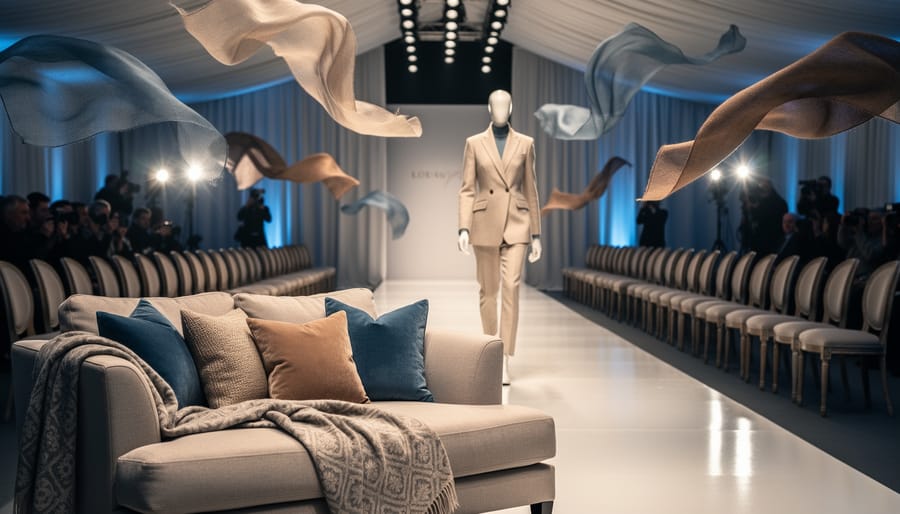
Fashion week began in the early 1900s as private seasonal showings in Paris couture salons, then grew through live mannequin parades, New York’s press week, and the rise of the Big Four fashion capitals into the tented, streamed, street-style-fueled spectacle we know today. This article traces that story through seven milestones, our “Fashion Week Highlights,” chosen because each one changed how fashion gets shown, seen, or shared.
Why would a home and interior design site care? Because every shift in how clothes were presented also shifted how people think about color, texture, and styling, and those ideas travel straight into our living rooms. Each milestone ends with a simple home-styling idea you can try, with a budget-friendly option and a splurge option, so you never need a couture budget to borrow the inspiration.
Quick takeaway: fashion week went from a salon for a few clients to a stage for the whole world, and your home can borrow the same drama in small, affordable ways. Which milestone surprises you most? Tell us in the comments.
How We Chose These Fashion Week Highlights
Choosing seven milestones from more than a century of fashion history meant making some tough calls. This is a curated, research-based timeline, not a hands-on test, so we leaned on well-documented moments rather than anything we could verify by trying it ourselves. Here’s what guided each pick:
- Historical impact: the moment changed how fashion is presented or who gets to see it.
- Influence on design and décor: its ideas about color, texture, or staging echoed beyond clothing.
- Documentation: the facts are well recorded, so we can describe it without guessing.
- Budget-friendly inspiration: you can recreate the feel at home without a designer budget.
That last point matters most to us. A milestone might be fascinating, but if we couldn’t turn it into a practical idea you could try this weekend, it didn’t make the cut. Each entry below closes with a “borrow it for your home” tip, and you’ll find a lower-cost option in every one.
Of course, this list is only one take on the Fashion Week Highlights worth remembering. You may have a favorite show, a street style moment, or a runway look that sparked a change in your own space. We’d love to hear about it. Share your picks and the home ideas they inspired in the comments, and your story might shape a future update to this timeline.
The Seven Milestones, From Salon Showings to Global Spectacle
1. Paris Couture Salons, Where Seasonal Showings Began
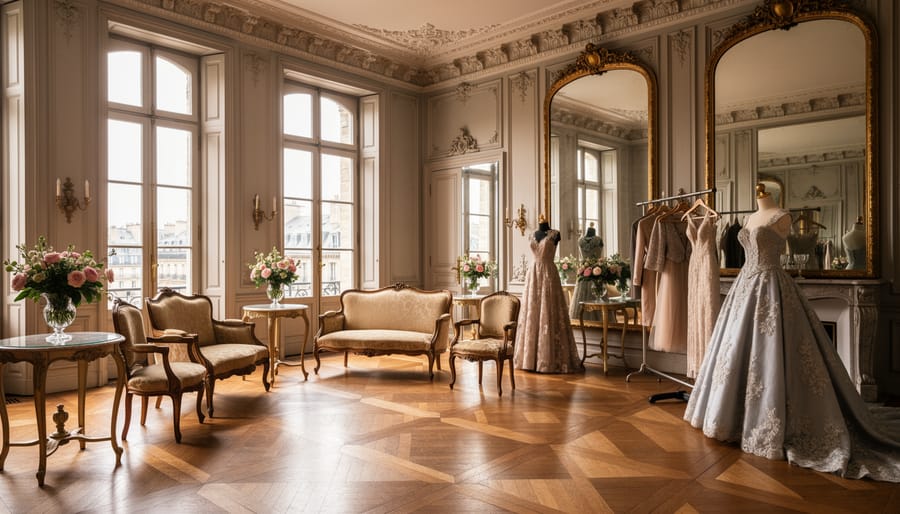
Long before anyone talked about runways, Paris couture was a private affair. In the 19th century, houses like Worth’s presented their latest designs inside salons, where clients sat in comfortable chairs and watched live models wear the new season’s looks. It was personal, unhurried, and by invitation only.
As more houses opened, the industry needed some order. The Chambre Syndicale, the Parisian trade body that eventually became the Fédération de la Haute Couture et de la Mode, helped set standards and shape when collections were shown, which is how the idea of a seasonal calendar took hold. If you enjoy tracing that lineage forward, our look at recent Paris Fashion Week highlights shows how far those salon beginnings have traveled.
Borrow it for your home: create an intimate, well-lit vignette. Set a thrifted console against a wall, add a table lamp with a warm bulb, and layer in one small tray, a stack of books, and a single plant or bouquet. Keep it edited, so the eye lands on the lamp’s glow first. A secondhand console and a simple lamp can cost well under a weekend’s budget, and the result feels like a private showing space.
2. Live Mannequin Parades, Fashion Gets a Stage
Live mannequin parades changed what a fashion show could be. Instead of garments resting on stands or being described in a private salon, couture houses began sending living models down a floor in motion, so clients could see how fabric moved and how a silhouette held up in real life. Early on, these were still modest affairs, but the idea stuck: a collection works better as a performance than as a static display.
That’s a lesson any room can borrow. Treat your entryway console or a single shelf like a small stage. Pick one focal piece, such as a sculptural vase, a framed print, or a favorite lamp, and let it carry the scene. Then leave real negative space around it so the eye has somewhere to rest.
On a budget, a thrifted piece with good lines does the job beautifully. If clutter keeps crowding your stage, a few practical organization ideas can help you clear the surfaces first, so your star piece gets the spotlight it deserves.
3. New York’s Press Week, Fashion Meets the Media
During World War II, travel to Paris was cut off, and American fashion publicists saw an opening. In 1943, Eleanor Lambert organized Press Week in New York so editors, who couldn’t reach the French collections, would pay attention to American designers instead. It wasn’t a spectacle yet, just a smart way to get new work in front of the people who could write about it. That effort is widely seen as the groundwork for what became New York Fashion Week, and this Fashion show evolution shows how a press-focused idea grew into a formal calendar.
American design earned its reputation for being practical, wearable, and made for real life, and that’s the lesson worth borrowing.
Borrow it for your home: Choose easy-care fabrics like performance linen blends, washable cotton slipcovers, and stain-resistant rugs. Arrange furniture around how you actually live, with clear walkways and seating that works for everyday use. On a budget, a washable slipcover over a tired sofa gives you the same livable polish for a fraction of the cost.
4. The Rise of the Big Four Fashion Capitals
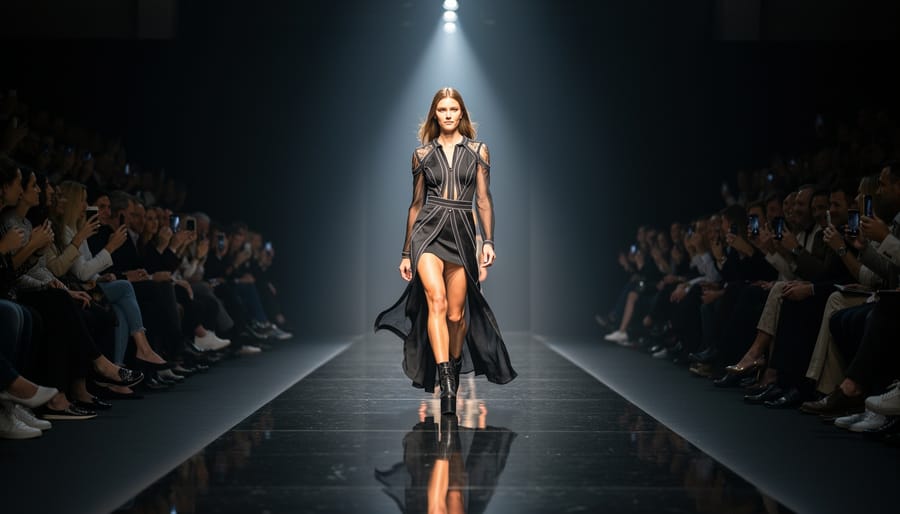
Fashion week didn’t stay in Paris for long. As other cities built their own fashion industries, four of them rose to anchor the international calendar: New York, London, Milan, and Paris. Together they became known as the “Big Four,” and designers, buyers, and editors still plan their seasons around them.
Each city developed a distinct personality. New York leans practical and commercial, with a focus on wearable American design. London is known for youthful experimentation and a talent for breaking rules. Milan built its reputation on polished tailoring and fine craftsmanship. Paris, the original capital of couture, keeps its place as the home of classic elegance and bold, artistic ideas.
That variety is exactly what makes this milestone so useful for your home. Instead of copying every trend, pick one city and let it guide a whole room.
Try London eclectic with mismatched frames, layered patterns, and vintage finds. Go Milan sleek with clean lines, a tight color palette, and one standout chair. Choose Paris classic with moldings, soft neutrals, and a single antique-style mirror.
On a budget, secondhand shops and flea markets are your best friend for any of these moods.
5. Tents, Venues, and the Move Toward Spectacle
Fashion week outgrew the intimate salon as audiences grew. Designers started staging shows in big tents, converted halls and purpose-built venues, and the set became part of the story. Runways were built around dramatic lighting, mirrored walls, striking backdrops and carefully chosen colors, so the room itself told you what the collection felt like. Over time, the venue stopped being a container for the clothes and became part of the statement.
You can borrow that drama at home without a big spend. Start with lighting: a few warm lamps or a clip-on spotlight aimed at a favorite piece makes any corner feel staged. Add a large mirror to bounce light and double the sense of space. Then pick one bold backdrop wall, where one of your favorite paint color combinations can set the mood behind a sofa or bed.
Keep everything else simple so that wall stays the star.
6. Street Style and Social Media Open the Front Row
For a long time, the real audience at fashion week sat inside the tent. That changed when photographers started pointing their lenses at the sidewalk. Street style photographers, followed by early fashion bloggers, discovered that the outfits arriving at the shows were often as inspiring as the ones on the runway. Editors, buyers, and guests became part of the spectacle.
Social media then blew the doors open. With platforms built around images and short video, anyone with a phone could watch looks appear in real time, comment on them, and share their own take. Fashion week stopped being something reported after the fact and became something the whole world could join as it happened.
Borrow it for your home: Street style thrives on mixing high and low, and your rooms can too. Pair one investment piece, like a quality sofa, with flea market frames, thrifted vases, or a vintage tray found for a few dollars. Personalize shelves with found objects that tell your story. Then do what the street style crowd did: photograph your space and share it with the community.
7. Sustainability, Inclusivity, and the Digital Runway
In recent years, fashion week has been asked to do more than dazzle. Designers and organizers have been rethinking waste, from reusable set materials to smaller, more thoughtful productions. Casting has widened too, with runways showing a broader range of ages, sizes, skin tones, and backgrounds than earlier eras ever did. And thanks to livestreams and hybrid presentations, the front row is no longer a physical place. Anyone with a screen can watch.
For your home, that shift translates into a simple mindset: make it last, and make it welcoming. Choose secondhand and repurposed pieces, like a vintage sideboard refinished with fresh paint or old frames turned into a gallery wall. They cost less, carry more character, and keep good furniture out of landfill. Pick well-made items you’ll still love in ten years over trendy ones you’ll swap next season.
Plan the room for everyone who’ll use it, too. Leave clear walkways, include seating at different heights, and choose lighting that works for tired eyes and bright afternoons alike.
Fashion Week History Questions, Answered
Curious about the basics? Here are quick, evergreen answers to the questions readers ask most.
What is fashion week and why does it exist?
Fashion week is a recurring series of shows where designers present upcoming collections to buyers, press, and clients. It exists so the industry can see new work together and plan the season ahead.
Which cities make up the Big Four?
New York, London, Milan, and Paris. Each has its own personality, which is why the fourth milestone makes such a handy blueprint for room moods.
How did fashion week start?
It traces back to private couture showings in Parisian salons, which later grew into live presentations and press-focused events. That story begins with the first milestone on our list.
How can I bring runway ideas into my home on a budget?
Start small: one bold backdrop wall, a thrifted console with a good lamp, or a single focal piece with plenty of breathing room. If you’re already planning smart home upgrades fold a styling refresh into the same project to save time and money.
Still wondering about something we didn’t cover? Drop your question in the comments. We read every one, and your curiosity might shape a future post.
Your Takeaway: Borrow the Runway, Make It Yours
Fashion week’s story is really a story of better presentation: from private salon viewings to live stages, from press moments to global capitals, and from big venues to the street and the screen. Every step was about showing the work in its best light, and your home deserves the same care.
So take the lessons with you. Light your vignettes warmly, give one standout piece room to breathe, build a room around a single clear mood, and use a bold backdrop or good mirror when you want drama. Mix thrifted finds with new favorites, choose pieces made to last, and make the space feel welcoming to everyone who walks in. None of it needs a big budget, just a clear point of view and a little editing.
Now we’d love to see what you create. Have you styled a corner, shelf, or whole room with a runway moment in mind? Share your photos and the story behind them in the comments or send them our way, and your space could be featured on Designers Raum. Tell us which milestone inspired you most, and let’s keep this community of curious, creative home lovers growing together.
Comment here