

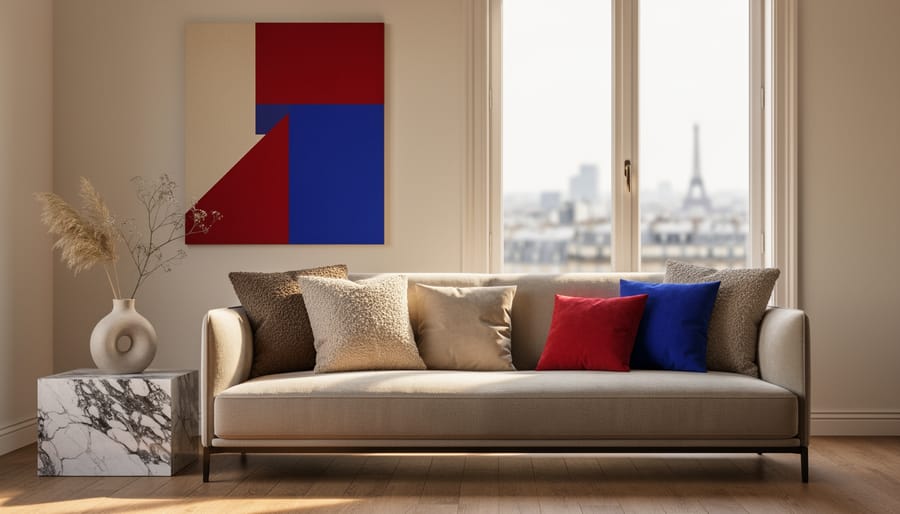
The Paris Fashion Week Spring/Summer 2026 shows just wrapped with a fresh wave of design-first inspiration that translates beautifully into your home. Industry insiders are calling this season a “reset,” where craftsmanship, depth, and creative energy took center stage over fleeting trends. For those of us who love interiors, that shift is a gift: the same principles driving fashion’s renewed focus on intentional design, tactile materials, and meaningful details apply directly to how we curate our living spaces.
This season’s runways showcased everything from quiet elegance to raw street energy, and the collections emphasized pieces with purpose that still spark excitement. That philosophy works just as powerfully in home design. Whether you’re drawn to artisan textures, unexpected color pairings, or sustainable choices that don’t sacrifice style, the highlights from Paris offer a fresh lens for your next project.
We’ve gathered ten standout moments from the shows and translated them into actionable interior design inspiration. Each highlight connects a runway movement to practical updates you can make at home, complete with budget-friendly options and DIY approaches that honor your space and your wallet. This isn’t about chasing luxury for its own sake. It’s about borrowing the confidence, craft, and creativity that defined this season and making it work in the rooms you live in every day.
Why Paris Fashion Week Matters for Your Home
Fashion and interior design have always walked the same runway, speaking the same visual language. When designers send bold color combinations down the catwalk, those palettes inevitably appear in paint swatches and fabric collections within months. The textures draped across models, raw linen, plush velvet, structured leather, mirror the materials we crave for our sofas and curtains. Even the mood of a collection translates: a minimalist show inspires pared-back living rooms, while maximalist energy sparks pattern-rich dining spaces.
This Spring/Summer 2026 season proved particularly significant for home design enthusiasts. Buyers described it as a “reset” for the fashion industry, shifting focus from hype to design, craftsmanship, and creativity. That shift matters because it mirrors what’s happening in our homes right now. We’re tired of mass-produced furniture that falls apart and trend-chasing decor that feels hollow.
The shows ranged from quiet elegance to raw street energy, offering a spectrum of inspiration rather than a single directive. That diversity gives you permission to mix influences in your own space. You can pair artisan craftsmanship with industrial edges, or blend bold patterns with minimalist foundations. The emphasis on purpose over fleeting trends means your fashion-inspired design choices can have staying power, creating rooms that feel both current and timeless.
How We Chose These Highlights
We curated these ten highlights by looking for runway trends from the Spring/Summer 2026 shows that speak directly to home design principles. Our focus landed on elements you can actually apply to living spaces: color palettes that energize a room, textures that invite touch, patterns that add personality, craftsmanship that brings authenticity, and moods that shape how a space feels.
These aren’t product reviews or performance tests. Instead, they’re insights drawn from collections that buyers called a reset for the industry, emphasizing design depth, creativity, and pieces with genuine purpose. We chose trends that ranged from quiet elegance to raw street energy, ensuring a spectrum of styles that work across different homes and budgets. Every highlight translates a fashion moment into something tangible for your walls, furniture, and everyday surroundings.
1. Bold Color Palettes: From Runway to Living Room
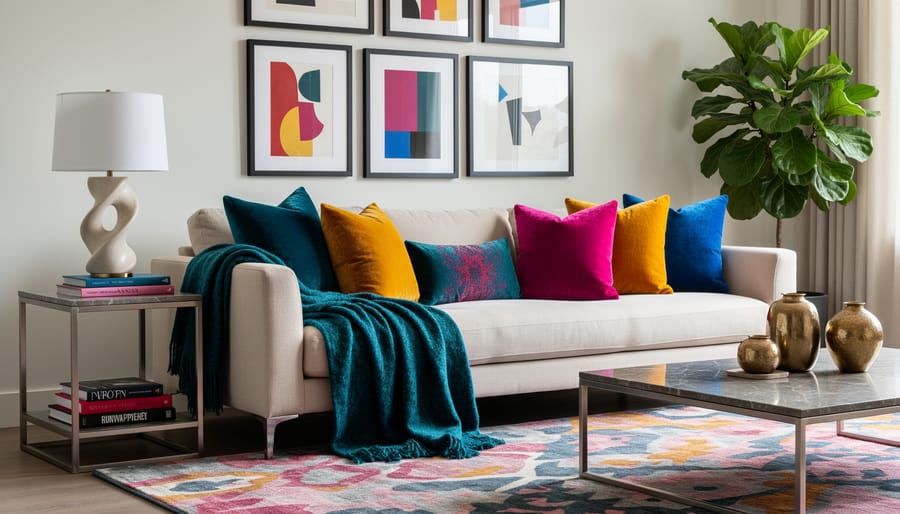
The Spring/Summer 2026 collections proved that fashion’s embrace of bold, unexpected color is back, and your home should follow suit. Designers leaned into vibrant hues that ranged from saturated jewel tones to clashing brights, creating visual moments that stopped showgoers in their tracks. This fearless approach to color translates beautifully to interiors, where a single daring choice can completely shift a room’s energy.
Start by identifying one statement wall where you can experiment with paint color combinations inspired by runway palettes. Think deep emerald paired with burnt orange, or electric blue alongside terracotta. If committing to paint feels too permanent, test these combinations through textiles first. A velvet throw pillow in saffron yellow against a cobalt sofa mimics the confident color blocking seen on the catwalks without the commitment.
Budget-conscious design lovers can capture this trend through layered artwork, ceramic vases, or even a boldly colored area rug. The key is confidence, fashion’s reset toward craftsmanship and creativity means choosing colors with intention, not just following safe neutrals. Let one unexpected pairing set the tone, then build your space around that brave choice.
2. Artisan Craftsmanship: Handmade Details That Add Character
The fashion industry’s renewed emphasis on craftsmanship over mass production offers a powerful lesson for home design. When buyers described the Spring/Summer 2026 season as a “reset” focused on design integrity and creativity, they highlighted what your living space might be missing: pieces with genuine depth and purpose.
Start small with handcrafted touches that tell a story. Swap mass-produced throw pillows for hand-embroidered cushions from local artisans, or display hand-thrown pottery instead of factory-made vases. These details create the same emotional resonance that runway pieces achieve through meticulous construction.
DIY projects let you inject craftsmanship into your home on any budget. Try macramé wall hangings, hand-dyed textiles, or refinishing vintage furniture with new hardware and thoughtful details. The imperfections inherent in handmade work add character that machine-perfect items lack.
Invest strategically in artisan furniture where it counts. A handcrafted dining table or custom shelving unit becomes a conversation piece that anchors a room, much like the purpose-driven collections buyers praised this season. Look for local makers, estate sales, or online marketplaces connecting you directly with craftspeople.
The reset toward creativity means valuing the maker’s hand in everything you bring home. Each handcrafted element transforms generic spaces into authentic reflections of your taste.
3. Quiet Elegance: Minimalist Sophistication for Modern Homes
The quiet elegance that emerged from this season’s shows offers a compelling antidote to maximalism. This trend celebrates restraint, precision, and the beauty of editing down to essentials. For your home, it means creating spaces that breathe and feel intentional rather than cluttered.
Start with a refined neutral palette. Think warm grays, soft taupes, ivory, and muted earth tones that create a calming backdrop. These colors allow architectural details and carefully chosen pieces to take center stage. The key is layering subtle variations of tone rather than relying on stark white-on-white minimalism, which can feel cold.
Material quality becomes paramount in quiet elegance. Choose furniture and finishes with visible craftsmanship: smooth plaster walls, natural stone surfaces, linen upholstery, and solid wood frames. Each piece should justify its place through both function and understated beauty. This aligns with the industry’s renewed focus on craftsmanship and depth.
Thoughtful curation is essential. Display only items that serve a purpose or hold genuine meaning, and give each piece room to make its statement. Negative space is not emptiness but a design element that allows your eye to rest and appreciate what remains.
4. Raw Street Energy: Industrial and Urban-Inspired Spaces
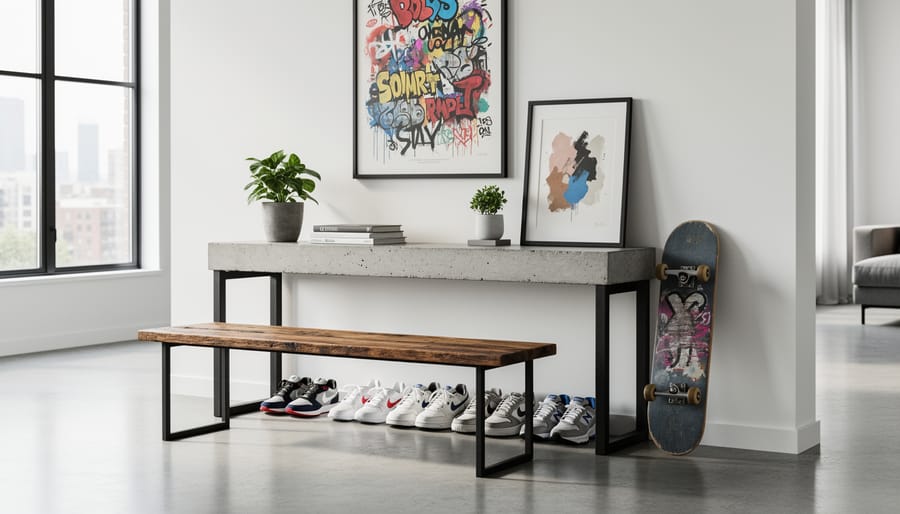
The “raw street energy” noted in this season’s shows brings an unapologetically bold aesthetic that translates beautifully into industrial and urban-inspired interiors. This trend celebrates the gritty authenticity of city life, think exposed materials, utilitarian fixtures, and architectural honesty that make spaces feel both edgy and grounded.
Start with exposed brick walls or concrete finishes that showcase raw texture and materiality. If structural changes aren’t in your budget, brick-effect wallpaper or concrete-look paint techniques deliver similar impact for under $50 per accent wall. The key is embracing imperfection rather than hiding it.
Metal fixtures anchor this aesthetic perfectly. Swap polished chrome for matte black or brushed steel in lighting, cabinet hardware, and plumbing fixtures. Industrial-style pendant lights with Edison bulbs or cage designs add instant urban edge to kitchens and dining areas. Reclaimed metal shelving serves double duty as storage and statement piece.
Concrete accents ground the look without overwhelming. Try concrete planters, side tables, or even DIY concrete countertop sections for kitchen islands. Pair these hard surfaces with weathered wood furniture and leather upholstery to prevent the space from feeling cold.
Layer in urban art, oversized graphic prints, street photography, or abstract pieces with bold black lines, to complete the raw, energetic vibe that defined the runways.
5. Textural Layering: Creating Depth in Every Room
The Spring/Summer 2026 runways celebrated texture as a design language, pairing crisp cottons with draped silks, rough tweeds against smooth leather, structured pieces alongside fluid knits. This layering approach creates visual richness and tactile depth, principles that translate beautifully into home interiors where mixing materials transforms flat, one-note spaces into environments that invite touch and exploration.
Start by anchoring each room with a foundational texture, a linen sofa, oak dining table, or wool area rug, then build contrast through accent pieces. Velvet throw pillows soften a leather chair’s hard edges. A chunky knit blanket adds warmth to sleek metal bed frames. Woven baskets bring organic texture to polished marble countertops. The interplay between opposing materials creates dimension without requiring bold colors or patterns.
Layer textures strategically with these approaches:
- Pair smooth surfaces (glass, polished wood, satin textiles) with rough ones (raw linen, brushed concrete, jute rugs)
- Mix natural materials (wood, stone, cotton) with modern synthetics (acrylic, metal, faux fur) for balanced contrast
- Balance heavy fabrics (velvet curtains, wool throws) with airy, light ones (sheer panels, gauze cushions)
Budget-conscious designers can experiment through affordable swaps, switching out pillow covers seasonally, adding textured lampshades, or layering vintage rugs over existing flooring. The craft lies not in expensive materials but in thoughtful combinations that engage multiple senses, turning every room into a curated experience rather than a catalog display.
6. Statement Pieces with Purpose: Investment Furniture That Tells a Story
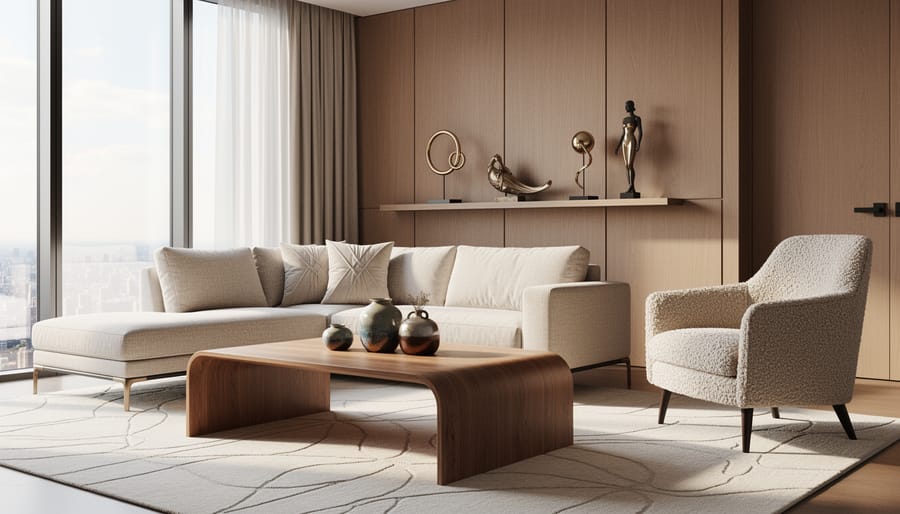
Fashion Week’s shift toward “pieces with depth and purpose” offers a blueprint for smarter furniture choices. Instead of chasing fleeting trends, the Spring/Summer 2026 shows celebrated items that combine striking design with genuine utility, a philosophy that translates beautifully to home spaces where every piece should earn its place.
Start by identifying furniture that performs double duty. A sculptural bookshelf becomes both storage and room divider. An antique trunk serves as coffee table and hidden storage. A handcrafted dining table anchors family meals while showcasing artisan woodwork. These aren’t just purchases, they’re investments that tell your story through materials, origins, and craft.
Look for conversation-worthy details: hand-turned legs on a vintage credenza, visible joinery on a modern chair, or the natural grain pattern in a live-edge bench. These elements give furniture personality beyond its function. Visit local artisans or explore estate sales for pieces with provenance. Even budget-conscious shoppers can find secondhand gems that bring character, a mid-century lamp, a restored dresser, a well-made armchair that just needs reupholstering.
The key is intentionality. Ask yourself: Does this piece solve a real need? Will it still feel relevant in five years? Does it reflect your taste rather than a passing fad? When furniture has depth and purpose, it transforms from mere decoration into a meaningful part of your daily life.
7. Sustainable Design: Conscious Choices for Fashion-Forward Homes
The fashion industry’s shift toward craftsmanship and purpose extends naturally to your home, where sustainable choices create spaces that honor both aesthetics and responsibility. This reset moment prioritizes quality over quantity, offering a refreshing approach to building interiors that last.
Start with materials that tell an honest story. Reclaimed wood flooring, salvaged architectural elements, and vintage textiles bring character while reducing environmental impact. These pieces often cost less than new equivalents and add instant warmth that manufactured items can’t replicate. Look for local salvage yards, estate sales, and community marketplaces where forgotten treasures wait for second lives.
Upcycled furniture transforms sustainability into style. Refinish a thrift store dresser with non-toxic paint, reupholster worn chairs in organic linen, or convert vintage crates into shelving. These projects align with proven home improvement strategies that deliver both visual impact and lasting value without the environmental cost of fast furniture.
Invest in pieces built to endure. A well-constructed sofa frame, solid hardwood dining table, or handwoven rug becomes a foundation for decades rather than seasons. This mirrors the depth and purpose buyers praised in the Spring/Summer 2026 collections, choosing items that justify their presence through longevity and meaning, not momentary trends. Quality craftsmanship reduces replacement cycles and creates homes with genuine soul.
8. Pattern Play: Mixing Prints Like a Pro
Paris Fashion Week’s Spring/Summer 2026 runways proved that pattern mixing isn’t just for the bold, it’s become a cornerstone of thoughtful design. The collections showcased unexpected print pairings, from geometric florals to abstract stripes layered with organic motifs, demonstrating how contrasting patterns create energy without chaos when handled with intention.
Start with a unifying element. The easiest approach connects patterns through a shared color, choose a dominant hue that appears in each print, then vary the scale. Pair a large-scale botanical rug with smaller geometric throw pillows in the same color family. This creates visual interest while maintaining cohesion.
The 60-30-10 rule adapts beautifully here: use your boldest pattern on 60% of textiles (curtains or a sofa), a complementary medium-scale print on 30% (accent chairs or bedding), and a subtle third pattern on 10% (throw pillows or table linens). This hierarchy prevents overwhelm.
Mix pattern types rather than similar ones. Combine organic shapes with structured graphics, think floral curtains with striped upholstery or paisley rugs with checkered cushions. The contrast between curved and linear creates sophisticated tension.
For renters or commitment-phobes, test combinations through DIY budget upgrades like removable wallpaper samples, mix-and-match pillow covers, or layered throws. Swap pieces seasonally to keep your space feeling fresh and fashion-forward without permanent changes.
9. Elevated Basics: Upgrading Everyday Spaces
Paris Fashion Week’s Spring/Summer 2026 “reset” wasn’t just about showstopping gowns. The season’s emphasis on craftsmanship and well-made fundamentals offers a powerful lesson for home design: sometimes the smallest upgrades deliver the biggest impact. Swapping builder-grade light fixtures for sculptural pendants transforms a dining room instantly. Replacing hollow-core doors with solid wood versions adds weight and quality you feel every time you close them. Even updating cabinet pulls from chrome to brass or matte black refreshes an entire kitchen for under $100.
Think of these tweaks as your home’s foundation garments. Just as buyers praised collections with “depth and purpose,” your spaces gain authority through thoughtful details. Install dimmer switches to control mood lighting. Upgrade to linen or blackout curtains that drape properly instead of sagging polyester panels. Swap plastic switch plates for metal ones. Replace flimsy bathroom mirrors with substantial framed versions.
The beauty of elevated basics is their versatility. Unlike trend-driven statements, quality hardware and lighting work across styles. If you’re uncertain how to choose trends that last, start here. These foundational improvements mirror the fashion week update toward timeless craft over fleeting hype, delivering polish that endures beyond any season.
10. Community-Inspired Design: Bringing Global Perspectives Home
Paris Fashion Week has always been a global stage, and the Spring/Summer 2026 season reinforced this beautifully. The diverse designer lineup, including Global Fashion Collective’s showcase featuring talents from Boutique June, Ay Lelum, Tracy Couture, and others, brought perspectives from every corner of the world to the runway. These collections reminded us that great design transcends borders, and the same principle applies to your home.
Incorporating multicultural influences into your living spaces adds richness and storytelling that mass-produced decor simply can’t match. Start by exploring design traditions that resonate with you: perhaps Moroccan tilework for your kitchen backsplash, Japanese wabi-sabi principles for your bedroom retreat, or textiles inspired by West African patterns for your living room. The key is authenticity over appropriation. Learn the history and meaning behind the elements you incorporate, and source from artisans and makers who practice these traditions.
Mix cultural influences thoughtfully rather than creating a theme park effect. A Scandinavian-inspired space can gain warmth from a Turkish kilim rug. Your minimalist dining room becomes more inviting with handcrafted ceramic pieces from local immigrant artisans. Display travel finds or family heirlooms alongside contemporary pieces to create a home that truly tells your story while celebrating the diversity that makes design endlessly inspiring.
Bringing Fashion Week Home: Your Next Steps
You don’t need to overhaul your entire home to capture the spirit of Paris Fashion Week. Start with one trend that speaks to you, a bold accent wall inspired by runway color palettes, a handcrafted textile that brings artisan detail to your space, or a statement piece chosen for its depth and purpose. The beauty of translating fashion to interiors lies in the layering: each small addition builds toward a curated, intentional home that tells your story.
We’d love to see how you bring these highlights into your living spaces. Share your fashion-inspired projects with our community, explore our DIY tutorials for hands-on guidance, and connect with fellow design enthusiasts who are making runway trends work in real homes. Your next design breakthrough might be just one trend away.
Frequently Asked Questions
How do I choose which fashion trends to bring home?
Start with trends that align with your existing style and address a specific need in your space. Focus on pieces with depth and purpose, just as buyers noted the Spring/Summer 2026 collections emphasized craftsmanship and creativity over fleeting novelty. Choose one or two trends that genuinely excite you rather than trying to incorporate everything at once.
Can I mix multiple trends in one space?
Yes, but approach it with intention. The runway shows ranged from quiet elegance to raw street energy, and successful interiors can do the same by establishing a dominant aesthetic and layering complementary elements. For example, pair minimalist sophistication with artisan craftsmanship through handmade accessories in a neutral room, or combine bold color palettes with textural layering for visual richness without chaos.
What’s the most budget-friendly way to start?
Begin with textiles and accessories that deliver immediate impact without major investment. Throw pillows, artwork, and small decor pieces let you experiment with bold colors or patterns. Elevate basic elements like switching out cabinet hardware, updating lighting fixtures, or adding a textured throw, simple changes that mirror the reset toward thoughtful, purposeful design.
How do I know if a trend will last?
Look for trends rooted in timeless principles rather than momentary hype. Craftsmanship, quality materials, sustainable choices, and classic color theory endure beyond seasons. If a trend emphasizes depth, function, and personal storytelling, rather than just visual novelty, it has staying power in your home.
The key to successfully translating fashion trends into your living spaces lies in treating them as inspiration rather than strict rules. Your home should reflect your personal story and lifestyle, just as the diverse designer lineup at Paris Fashion Week celebrated individual creative voices. Start small, trust your instincts, and let each choice build toward a space that feels authentically yours, not a showroom replica of someone else’s vision.
Comment here